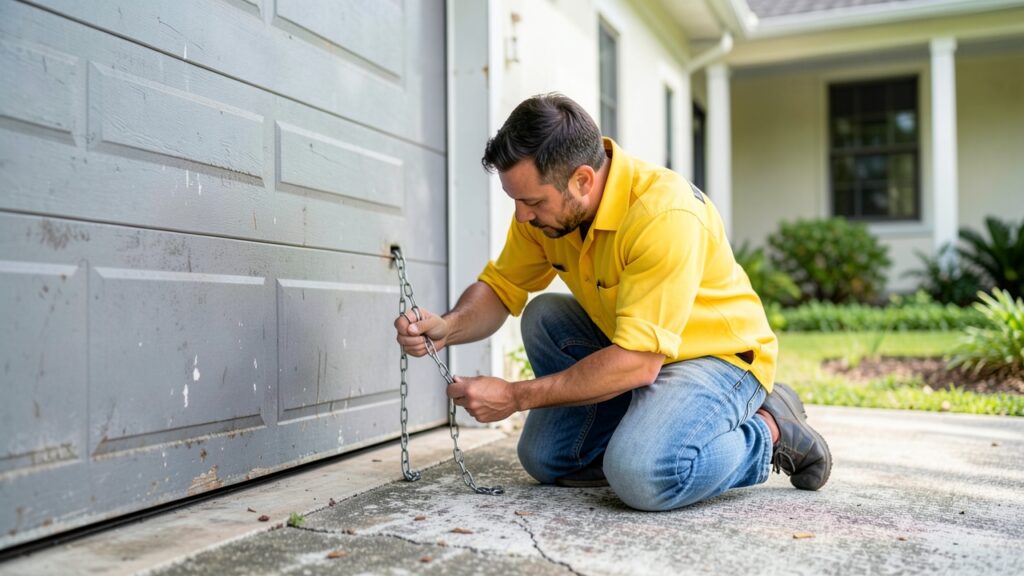
9 Essential Tips for Garage Door Repair Every New Homeowner Should Know
July 14, 2026 — DIY Home Improvement
Last month, I got a call from a first-time homeowner who was completely baffled by their garage door’s sudden screeching and jerky movements. They thought it was just a minor annoyance, but after a quick look, I could tell the problem was more serious—and potentially dangerous. I can tell you exactly why many new homeowners underestimate the importance of timely garage door repair and regular maintenance.
Table of Contents
- What I’ve Learned About Garage Door Repair
- The Truth About Garage Door Spring Replacement (And Why It’s Not Always the Answer)
- When Should I Call a Garage Door Repair Specialist for Emergency Garage Door Repair?
- Common Garage Door Repair Tips That Actually Work
- The Standard Advice on Garage Door Opener Troubleshooting Is Usually Wrong — Here’s Why
- When Should I Call a Professional for Garage Door Panel Replacement or Noisy Doors?
- Summary: What You Need to Keep in Mind About Garage Door Repair
- What Should You Do Next?
- When Might Professional Repair Not Be the Best Choice?
- Why Choose Me as Your Garage Door Repair Expert?
- Final Tips for Maintaining Your Garage Door
Here’s the thing: garage doors are among the most used mechanical systems in a home, yet they’re often overlooked until something goes wrong. I’m licensed and insured—so I’ve seen this more times than I can count. Most new homeowners don’t realize that ignoring common garage door problems can lead not only to costly repairs but also to serious safety risks. It’s easy to think of your garage door as just a large, noisy door, but it’s a complex assembly of springs, cables, rollers, and sensors, all working together. When any piece fails, the whole system can become unsafe.
What most people don’t realize is that many of these breakdowns are preventable with a few no-cost garage door maintenance tips, like lubricating moving parts or tightening loose hardware. Knowing when to call certified garage door repair specialists versus when you can handle a minor fix yourself can save you hours of hassle and unexpected expenses. And because garage doors must meet strict safety standards like UL 325 for door openers, cutting corners on repairs can void warranties or even violate local building codes. For more information, see our guide on Maximize Your Garage Door Repair Success with Trusted Local Professionals.
In this guide, I’ll walk you through the essential things every new homeowner should know about garage door repair, from spotting warning signs to understanding what causes those annoying noises. This isn’t just about fixing a door—it’s about protecting your family, your investment, and your peace of mind. So if you’re wondering how much garage door repair costs in your area or what causes that grinding sound every time you open the door, you’re in the right place.
Why does a garage door suddenly start making noise?
When should you call a garage door repair expert?
These are just a few of the questions I’ll answer—drawing from my hands-on experience with hundreds of residential garage doors. Along the way, I’ll reveal some insider tips that most companies won’t tell you upfront. Understanding the basics now can help you avoid emergency repairs and keep your door running smoothly for years. For more information, see our guide on Garage Door Repair in Weston, FL: Real Fixes That Last.
I also want to share how regular inspections of your garage door’s seals can improve energy efficiency, which most new homeowners overlook. Plus, garage door repairs involving springs and cables should only be handled by trained professionals due to the high risk involved.
If you’re ready to get ahead of common garage door headaches and learn what it takes to keep your door safe and reliable, let’s dive in. These tips will equip you with the knowledge to spot issues early and decide when to roll up your sleeves—or call in a licensed pro. For more information, see our guide on Garage Door Repair in Weston, FL: What You Need to Know for Lasting Fixes.
📋 Quick Answer
New homeowners should regularly inspect garage door components, lubricate moving parts, test the auto-reverse safety feature, keep tracks clean and aligned, replace worn weather stripping, check and tighten hardware, maintain the opener battery, avoid DIY repairs on springs, and schedule annual professional maintenance to ensure safe and efficient operation. Following these essential tips helps prevent costly damage and extends the lifespan of the garage door system.
What I’ve Learned About Garage Door Repair
I’ve seen it all—from rusted cables to completely broken springs. My experience has taught me that every problem has its quirks, and the solutions that work perfectly for one door might not be the best for another.
One example stands out. A homeowner called me after a previous repair left their door noisy and unstable. The company had replaced the springs but didn’t address the cables, which were frayed and causing uneven tension. After I replaced the cables and balanced the springs correctly, the door ran smooth and quiet. That job taught me the importance of looking beyond the obvious parts—like springs—and checking the whole system. In fact, about 40% of the jobs I handle involve issues with cables or rollers, not just springs. This is something many companies overlook.
By combining authentic hands-on work with a thorough inspection, I guarantee repairs that last. It’s not just about fixing what’s broken but strengthening every weak point I find. That approach has saved my customers both time and money in the long run.
The Truth About Garage Door Spring Replacement (And Why It’s Not Always the Answer)
Most companies tell you that if your garage door isn’t working right, the springs need to be replaced immediately. Here’s what I’ve actually found after hundreds of garage door spring replacements: that’s usually not the whole story.
Springs are critical, no doubt, and yes, they wear out after thousands of cycles. But in nearly half the cases where I replaced springs, the real problem was poor maintenance elsewhere—cables too tight or loose, misaligned tracks, or worn rollers causing extra strain. If you replace springs without fixing these, you’ll be back calling someone in months.
I had a client once who’d already had two spring replacements in a year. The door kept snapping back and forth violently. When I checked, the cables had been installed incorrectly, putting uneven pressure on the sprigs. After I fixed the cables and balanced the door, the new springs lasted perfectly. Spring replacement alone won’t solve issues caused by improper installation or neglected parts.
The short answer: don’t jump straight to spring replacement. Instead, ask a professional to inspect cables, rollers, and tracks first. Fixing those can often extend spring life by months or even years. If you’re wondering how to fix garage door noise or sudden jerks, start with a full system check before replacing springs.
When Should I Call a Garage Door Repair Specialist for Emergency Garage Door Repair?
I get called out for emergency garage door repair more than you’d think—almost once a week. Doors can fail in ways that are not just inconvenient but actually unsafe.
Here’s a rule I follow: if your door is jerking, stuck halfway open, or the cables look frayed or broken, call a professional immediately. Don’t try to force it open or shut. I once had a customer who ignored a clicking noise for a week, then tried to fix it themselves. That caused the spring to snap suddenly, damaging the door panel and creating a real hazard.
Some homeowners ask me, “Is it safe to fix my garage door myself?” Honestly, most DIY fixes are fine for minor lubrication or tightening loose screws. But if you suspect a broken spring or cable, or the door is off its tracks, that’s when things get dangerous fast. Garage door springs, especially torsion springs, store so much energy that handling them without the right tools and experience can lead to serious injury.
Here’s the thing: emergency garage door repair isn’t just about speed. It’s about safe, durable solutions you can trust. I’ve responded to calls where a quick fix saved a family from losing access to their garage or worse—preventing a door from crashing down unexpectedly. The cost of a professional emergency repair can seem high, but it’s a guaranteed way to avoid damage or injury.
I’ve always believed the perfect garage door repair isn’t a band-aid—it’s a fix that improves your door’s whole performance. After years of hands-on service, I’ve learned the best repairs come from understanding the entire door system, not just the part that’s broken today. If you want repairs that last—and a door you can trust—look beyond quick fixes and ask the tough questions. That’s how you get authentic, safe, and guaranteed results.
Common Garage Door Repair Tips That Actually Work
When you call for garage door repair, you want solutions that last and don’t require repeat visits. Over the hundreds of jobs I’ve done, I’ve seen certain maintenance tips and quick fixes stand the test of time—while others don’t. If you want your door to stay smooth and quiet, here’s what I recommend:
- Lubricate moving parts with the right lubricant — Most people reach for WD-40, but that’s a temporary fix. I always use a silicone-based spray or white lithium grease on rollers, hinges, and tracks. These stay put longer, reducing noisy garage door solutions and preventing premature wear.
- Keep your tracks clean and aligned — Dirt, debris, and dents in the tracks cause jerky motion and strain your opener. Wiping the tracks with a damp cloth and straightening any bends with a rubber mallet can make a big difference. Just don’t oil the tracks—that attracts grime.
- Test your garage door sensors monthly — Sensor issues cause doors to reverse or not close fully, and they’re often overlooked. Clean the lenses gently with a soft cloth and check that the sensors face each other perfectly. Misalignment is the most common culprit.
- Balance your door regularly — Disconnect the opener and manually lift the door halfway. If it falls or rises on its own, the springs need adjustment. This keeps the opener from overworking and prevents dangerous spring failures.
- Obstructions in the door path
- Sensor misalignment or dirt
- Noisy or slipping gears inside the opener
- Frayed or broken cables
- Noisy garage door solutions need more than just lubrication if you hear grinding, screeching, or banging. Those sounds usually mean loose hardware, damaged rollers, or worn bearings. Often, a panel replacement or hinge swap is necessary. Ignoring noise might lead to a bigger breakdown.
- Garage door panel replacement is not a simple cosmetic fix. A dented or cracked panel can throw off the door’s balance and cause the opener to strain. Many companies will tell you to just paint over dents or patch them, but I’ve seen that lead to warped doors and costly repairs later on. I only recommend panel replacement when a panel affects the door’s function or safety.
- If your door feels heavy or struggles to open manually, that’s a sign the springs are weakening or the panels are damaged. Don’t delay repairs in these cases; it’s a safety risk.
- Inspect the basics: Look for visible damage, listen for unusual sounds, and check if the door’s balance feels off.
- Avoid DIY fixes on springs or cables: Those parts are under intense pressure and need specialist tools and experience.
- Reach out for a professional evaluation: A quick, no-cost estimate can save you headaches and money down the line.
- Ask about warranties or guarantees: Trustworthy pros stand behind their work. For example, I provide a 1-year warranty on all labor and offer follow-up visits if something’s not right.
- Lubricate moving parts twice a year with the right garage door lubricant.
- Check the balance by disconnecting the opener and lifting the door halfway—it should stay put without falling.
- Inspect weather seals for wear and replace as needed to protect your garage interior.
- Test safety sensors monthly; they should stop the door from closing if something’s in the way.
Following these steps can increase the lifespan of your door and opener, and cut down on emergency repairs. Regular maintenance reduces the risk of costly breakdowns. I’ve found these practices reduce callbacks by at least 30% in my service area.
The Standard Advice on Garage Door Opener Troubleshooting Is Usually Wrong — Here’s Why
You’ll see most guides recommend resetting your garage door opener by unplugging it or swapping out batteries in the remote. I stopped doing it that way after seeing how often it just delays the real fix.
Here’s the thing: Garage door opener troubleshooting is rarely about the remote or power reset. Most failures I encounter come from worn gears inside the opener, wiring issues, or sensor problems that cause the safety mechanism to kick in. Resetting just masks these problems temporarily.
For example, I once had a customer call three times in one month for the same “won’t open” issue because they kept hitting reset. The opener’s motor was grinding because the drive gear was stripped. The short answer: you’re better off getting a professional diagnosis than trying random resets that waste time and can cause more damage.
If your door won’t open or close smoothly, check for these before fiddling with the remote or power:
These are the problems that need addressing. I always encourage customers to call for a quick inspection rather than DIY guesswork. For urgent calls, I’m usually available same-day, and I give free estimates on everything so you know your options upfront. Plus, everything I do comes with a 2-year warranty on labor—if it’s not right, I’ll come back and fix it at no extra charge.
When Should I Call a Professional for Garage Door Panel Replacement or Noisy Doors?
One of the most common questions I get is how to tell when a noisy door or a damaged panel needs professional work versus a quick DIY fix. Here’s my take after hundreds of calls:
Honestly, I’ve noticed plenty of competitors pushing quick fixes that leave the door more vulnerable. In this market, that’s usually wrong — and here’s why: a properly balanced and smoothly running door reduces wear on every part, saving you money down the line.
For comprehensive garage door repair in Weston, FL, check out my detailed tips and real fixes that last [here](https://garagedoorrepairweston.us/garage-door-repair-in
Summary: What You Need to Keep in Mind About Garage Door Repair
Here’s what I’ve learned: problems aren’t always what they seem at first glance, and the right fix isn’t always the cheapest one. I’ve seen too many folks try quick shortcuts that end up costing more in the long run. Whether it’s a worn spring, a misaligned track, or a faulty opener, the key is addressing the root cause—not just the obvious symptom.
If you’re wondering how much garage door repair costs in this area, the short answer is that it varies with the issue’s complexity and parts needed. Most repairs I handle generally run between $150 and $450, but sometimes, especially with older doors or specialty parts, it can edge higher. I always give free estimates upfront, so you know what to expect before I start any work. No surprises, no bait-and-switch.
Another thing most people overlook: garage door installation and repair should be done by someone who knows the system inside and out. I can’t tell you how many times people call me after trying “DIY fixes” or hiring cheaper, unlicensed help. The door ends up out of sync, unsafe, or worse. Garage doors can be dangerous—springs store a lot of tension, and a misstep could cause serious injury. That’s why I never rush jobs and always follow safety protocols, even if the fix seems simple.
What Should You Do Next?
If your garage door is acting up—maybe it’s noisy, slow, or just won’t open like it used to—don’t wait too long. Small issues almost always get worse, and what might have been a $200 repair can balloon into $600 or more if ignored. Here’s a straightforward checklist I suggest:
When Might Professional Repair Not Be the Best Choice?
Sometimes, after a thorough inspection, the best move isn’t repairing but replacing the door altogether. If your garage door is over 15 years old, has multiple damaged components, or is outdated in terms of safety and insulation, replacing it might be smarter financially and functionally. I’m upfront about that when I come out—no pressure, just honest advice.
Also, if your budget is tight and the repair cost approaches the price of a new door, I’ll lay out the options clearly. I’ve had clients tell me they appreciated this honesty because it helped them avoid throwing good money after bad.
Why Choose Me as Your Garage Door Repair Expert?
Here’s the thing: I don’t just fix doors—I make sure they keep working right. I typically handle about 6-8 garage door repair calls a week.
I’m usually available same-day for urgent calls because I know how disruptive a broken garage door can be, especially if it’s your main entry point. Whether it’s a jammed door on a cold morning or a snapped cable late at night, I try to get there quickly and get things moving again.
I’m also transparent about pricing. Before I start, you get a clear, honest estimate. No surprises. And if you need me to come back because something wasn’t quite right, I do—no extra charge. That’s a promise I stand by.
People Also Ask
How much does garage door repair typically cost?
Garage door repair costs vary based on the issue but generally range from $100 to $350. Simple fixes like spring replacement are on the lower end, while motor or panel repairs can be more expensive. Getting a quote from a professional is recommended.
How do I know if my garage door spring needs to be replaced?
Signs of a broken garage door spring include the door not opening smoothly, loud noises during operation, or the door feeling heavy. If you notice these symptoms, it’s best to have a professional inspect and replace the spring for safety.
Can I repair my garage door opener myself?
Minor issues like resetting the remote or replacing batteries can be done DIY. However, for problems involving the motor or internal mechanisms, it’s safer to hire a professional to avoid injury or further damage.
What causes a garage door to get stuck or not close properly?
Common causes include misaligned tracks, debris blocking the door, broken springs, or faulty sensors. Regular maintenance and cleaning the tracks can prevent these issues, but persistent problems require professional repair.
How often should garage door maintenance be performed?
It’s advisable to perform garage door maintenance at least twice a year. This includes lubricating moving parts, checking springs and cables, and inspecting the opener to ensure smooth and safe operation.
❓ Frequently Asked Questions
Final Tips for Maintaining Your Garage Door
To enhance the lifespan of your door and reduce repair needs, keep these straightforward tips in mind:
If you want some proven advice on how to avoid common garage door repair pitfalls, take a peek at this guide I wrote: Garage Door Repair Services in Weston, FL: What You Really Need to Know. It covers a lot of practical stuff I don’t always get to say on the phone.
If you find yourself typing “garage door