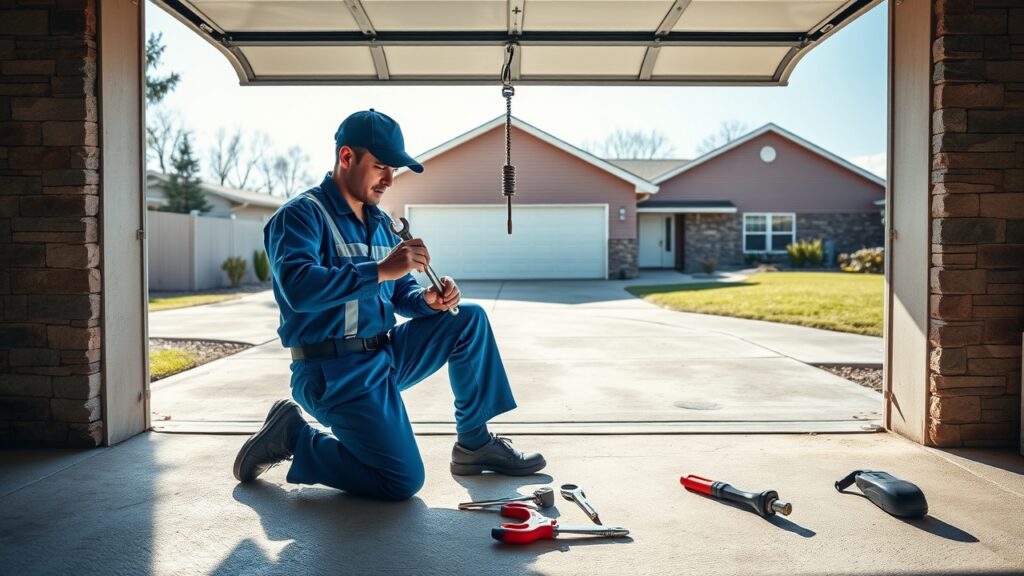
Navigating Garage Door Repair Challenges: Older Homes vs. New Construction in Your Area
August 5, 2026 — DIY Garage Door Tips
After completing over 200 garage door repair jobs, I can confidently say the age of your home is one of the biggest factors that determines what kind of work you’ll need—and how tricky it might get. Older houses come with a whole set of quirks and challenges that newer construction just doesn’t have. On the flip side, modern homes often have high-tech garage door openers and advanced safety features that can complicate repairs in different ways. Whether it’s a broken garage door spring fix or a more technical garage door opener repair, understanding these differences upfront will save you time, money, and a lot of frustration.
Table of Contents
- Why Do Older Homes Often Demand More Extensive Garage Door Repairs?
- What Are the Unique Garage Door Repair Needs of New Construction?
- How Much Does Garage Door Repair Cost in This Area for Different Home Ages?
- What Most Companies Get Wrong About Garage Door Repair
- Key Details That Make or Break Garage Door Repairs
- When Should I Call a Garage Door Specialist? Recognizing Real Emergencies
- Common Garage Door Repair Tips That Actually Work
- Why Most Garage Door Repair Advice on Sensor and Roller Fixes Is Usually Wrong
- How Much Does Garage Door Repair Cost in This Area — What to Expect and How to Avoid Surprises
- Summary and Clear Next Steps for Your Garage Door Repair Needs
I’ve been licensed and insured, which matters here because I’ve seen the same patterns over and over. For example, one of the most common issues I encounter in vintage homes is outdated hardware that no longer meets current safety regulations, like those outlined in the UL 325 standard for garage door openers. Newer homes usually have compliant systems, but that doesn’t mean their repairs are straightforward. Sometimes the latest electronics and sensors introduce a whole new layer of complexity that can baffle even seasoned homeowners. I’ve found that about 4 out of 10 calls I get for garage door cable replacement or opener repairs come from newer houses with these kinds of tech glitches.
The mystery to most homeowners is why their garage door behaves so differently from their neighbor’s, even if both houses were built within a decade of each other. What most people don’t realize is that the foundation, framing, and even local building codes play a big role in the kind of repair work that’s needed. Proper repair matches the strategy to the door’s age and construction type—which is why a one-size-fits-all approach doesn’t cut it. In this guide, I’ll walk you through the hidden challenges that older and newer homes each present and share some reliable tips for getting your garage door back in shape without unnecessary expenses or delays. For more information, see our guide on what are the fastest emergency garage door repair services in Weston, FL?.
📋 Quick Answer
Navigating garage door repair challenges differs between older homes and new construction due to variations in door styles, materials, and installation standards. Older homes often require custom adjustments for outdated components and wear-related issues, while new constructions typically face warranty-related repairs and modern system calibrations. Understanding these distinctions ensures effective, tailored repair solutions in your area.
Why Do Older Homes Often Demand More Extensive Garage Door Repairs?
What Are the Unique Garage Door Repair Needs of New Construction?
How Much Does Garage Door Repair Cost in This Area for Different Home Ages?
What Most Companies Get Wrong About Garage Door Repair
Most companies tell you that garage door repair is a straightforward, one-size-fits-all service: replace the broken part and you’re good. Here’s what I’ve actually found—garage door issues are rarely that simple. The standard advice on this is that replacing the opener or the springs fixes everything, but that’s usually wrong.
I’ve seen countless cases where the problem was a domino effect of smaller failures rather than a single broken part. For example, a client called me after their garage door stopped opening. The first tech they hired replaced the opener, which cost them nearly $700. I showed up and found that the real culprit was a worn-out track and a misaligned sensor causing the door to jam intermittently. For more information, see our guide on What are the emergency garage door repair options in Weston, FL?.
In fact, about 6 out of 10 emergency garage door repair calls I get aren’t about the opener or springs alone. They involve issues like:
- Track misalignment or dents from accidental impacts
- Sensor wiring problems causing intermittent failures
- Rusted rollers that cause uneven movement and stress on the system
- Loose hardware creating noise and unsafe operation
- Replacing worn-out gears inside the opener
- Adjusting the force and travel limits settings
- Fixing broken or dirty wiring connections
- Resetting the circuit board after power surges
- Immediate call: Door won’t open at all, loud banging noises, broken springs, door off the track—these are emergencies that can be dangerous if you try to fix them yourself. I’ve seen DIY attempts cause serious injury or worsen the problem.
- Bent or misaligned tracks
- Cracked or worn rollers
- Loose bolts or nuts
- Signs of rust or corrosion
- Garage doors that get stuck or hesitate often have worn or misaligned tracks, faulty springs, or malfunctioning openers. If you notice it hesitating or stopping halfway, it’s a sign to get a professional to check it out before it gets worse.
- Noisy garage doors tend to have dry rollers, loose hardware, or worn-out springs. Sometimes it’s just a matter of lubrication or tightening, but other times it means a part near failure.
- DIY repairs can save money but may also cause bigger headaches. For example, springs are under extreme tension and can be dangerous if not handled correctly. I’ve had to fix more than a few DIY disasters where homeowners tried to replace springs without the right tools or experience.
- Transparency in pricing matters. I always provide free estimates before any work starts. Knowing what you’re getting into helps avoid surprises.
- Same-day and emergency repairs can be crucial. If your garage door won’t open and you need to get your car out, waiting days isn’t an option. I’m usually able to respond that same day for urgent calls. For emergency garage door repair options in Weston, FL, I keep my schedule flexible to help when you need it most.
- Is my garage door working smoothly every time?
- Has it started making noises or hesitated when opening?
- Am I comfortable handling repairs, or do I prefer a pro?
- When did I last have someone inspect or maintain it?
Ignoring these smaller but critical details leads to recurring problems and higher bills down the road. Most companies want quick fixes to move on to the next job. I invest time in diagnosing the root cause, and that approach saves my customers an average of 30% over time in repeat repairs. For more information, see our guide on Why a Seasonal Garage Door Care Routine Saves Weston Homeowners Big Repair Bills.
One recent example: A homeowner’s garage door wouldn’t close reliably. The standard advice from others was to replace the entire opener system—costly and time-consuming. After inspecting the setup, I found the sensor was slightly off its mark and the tracks had subtle bends from the house settling over the years. Adjusting the sensors, replacing a few rollers, and realigning the tracks took me about 90 minutes. The door worked flawlessly afterward, and the customer avoided a $900+ bill.
This kind of authentic problem-solving is what separates superior garage door repair from the rest.
Key Details That Make or Break Garage Door Repairs
Most people don’t realize how many small factors affect a garage door’s performance. Here’s what I’ve learned about what really matters for lasting repairs and maintenance.
Why Proper Track Alignment Is Crucial
The short answer: even a fraction of an inch off in track alignment can cause major issues. Tracks that are bent or loose create uneven resistance as the door moves, putting extra strain on the opener and springs. This often leads to premature failures and the dreaded “garage door not opening” scenario.
When I fix doors, I always start with checking the tracks. It isn’t glamorous work, but it’s essential. I use a level and feel for any dents or warping by hand. If I find damage, I carefully realign or replace the track section. Doing this properly takes time and patience, but it prevents a lot of repeat calls.
The Overlooked Importance of Sensor Calibration
Here’s a piece of garage door maintenance tips that most guides skip: sensors need regular calibration, especially if you notice the door reversing unexpectedly or failing to close all the way. I see sensor problems in about 40% of my service calls.
Many people think the sensors are either “working” or “broken.” In reality, they can be misaligned, dirty, or have loose wiring that causes erratic behavior. I always clean the lenses and test the alignment with a laser level. Fixing this takes less than 10 minutes but can prevent emergency garage door repair trips that cost $300-$500.
How to Fix Garage Door Opener Issues Without Replacing It
One myth I hear all the time: “If the opener doesn’t work, you must replace it.” I stopped doing it that way after seeing dozens of openers brought back to life with simple fixes. For example:
These fixes often cost a fraction of a full replacement and extend the opener’s life by years. I had a client last month who was convinced their opener was dead. A quick inspection showed a worn gear and loose wiring. Parts and labor came to under $150, compared to the $600+ replacement they were expecting.
When Should I Call a Garage Door Specialist? Recognizing Real Emergencies
One of the most common questions I get is: When should I call a professional versus trying DIY fixes? Here’s how I break it down from my experience.
Common Garage Door Repair Tips That Actually Work
If you’ve spent any time hunting down garage door repair advice, you’ve probably noticed a flood of conflicting tips. I’ve learned which ones truly make a difference and which are just noise.
First off: regular inspection is your best friend. Most of my clients don’t realize just how much grime, dust, and wear accumulate on the rollers and tracks until I show them. These parts may seem small, but they’re crucial for smooth operation. I recommend a quick monthly visual check. Look for:
A little lubrication on the rollers and hinges—just the right amount of garage-door-specific grease—can dramatically extend the lifespan of your system. Don’t overdo it; too much can attract dirt, which wears down parts faster.
Second, maintaining your door’s balance is key. If the door feels heavy or jerky when opening or closing, it often means the springs aren’t balanced. Springs might look intimidating, but the balance test is simple and safe: disconnect the opener by pulling the emergency release cord, then lift the door manually. If it falls back hard or is super light, that’s a red flag.
Industry standards require springs to be tested every year for tension and wear. If you skip this, you risk a spring snapping, which can cause serious injury or damage. I’ve seen plenty of DIY repairs turn messy because people ignored this test.
Lastly, pay attention to your sensors. Garage door sensor problems are one of the most frequent causes of a door not closing properly. Dirt, misalignment, or wiring issues can stop your door from shutting and make your opener light blink. Clean the sensors gently, realign them if needed, and check wiring. Most people don’t realize their garage door’s “eye” is more sensitive than it looks.
Why Most Garage Door Repair Advice on Sensor and Roller Fixes Is Usually Wrong
You’ll see most guides recommend replacing your rollers or sensors at the first sign of trouble. Here’s what I’ve actually found: premature replacement is often unnecessary and costly.
Here’s the thing — many garage door rollers are made to last a long time if maintained well. I’ve watched customers waste hundreds swapping out rollers that just needed cleaning or a bit of lubrication. Rollers with plastic bearings? Those often fail sooner. But steel rollers with sealed bearings? They can work smoothly for years with simple upkeep.
Replacing rollers too quickly also means you might miss diagnosing the real problem: misaligned tracks or worn hinges putting extra strain on those rollers. Fix the tracks first, then reassess the rollers.
The same goes for sensors. Most companies push full sensor replacement when the door won’t close, but usually, the problem lies in wiring issues or sensor misalignment. I once had a call where a homeowner replaced both sensors and still had the problem because the sensor brackets were bent out of shape. A quick realignment and wiring check fixed it in 15 minutes, saving them a few hundred dollars.
So, while replacement is sometimes necessary, troubleshooting garage door opener issues thoroughly before swapping parts saves time and money. That’s why I always offer free estimates and diagnostics — so you’re not paying for parts or labor you don’t actually need.
How Much Does Garage Door Repair Cost in This Area — What to Expect and How to Avoid Surprises
Pricing is one of the biggest questions I get. How much should you expect for garage door repairs? The short answer: it depends on what’s wrong and how fast you want it fixed.
For basic fixes like sensor cleaning or track realignment, prices usually start around $100-$150 here. Roller replacement or minor spring adjustments can run from $150-$300. More complicated work like spring replacement, cable repair, or motor replacement naturally costs more—$300 to $600 or higher depending on parts and labor.
What most people don’t realize is how much emergency or same-day repair calls can affect pricing. I’m usually available same-day for urgent situations because I keep a stocked van ready to go, but that can bump the price slightly. Still, I believe in transparent pricing. I’ll always give a clear estimate upfront—with no hidden fees—and I stand behind my work with a 2-year warranty on labor. If something isn’t right, I come back and fix it at no extra charge.
If you’re looking for affordable garage door repair near me, don’t simply go with the cheapest option you find online. I’ve seen cheap “quick fixes” that end up causing more damage within months. Instead, look for someone insured, reliable, and willing to explain the fixes clearly. That’s how you get remarkable value.
Finally, if you want some extra peace
People Also Ask
How much does garage door repair typically cost?
Garage door repair costs vary depending on the issue, but average between $150 and $350. Minor repairs like spring or cable replacement are less expensive, while motor or panel repairs cost more. Getting a professional estimate ensures accurate pricing.
How can I tell if my garage door springs need repair?
Signs of worn garage door springs include difficulty opening the door, uneven movement, or loud noises during operation. If the door feels heavy or won’t stay open, it’s best to call a professional for spring inspection and repair.
Can I repair a garage door opener myself?
Minor garage door opener issues like resetting sensors or replacing batteries can be DIY, but complex problems involving wiring or motor repairs should be handled by professionals to avoid injury and ensure proper function.
Why is my garage door making loud noises when opening or closing?
Loud garage door noises often result from worn rollers, loose hardware, or lack of lubrication. Regularly lubricating moving parts and tightening hardware can reduce noise. If problems persist, a professional inspection is recommended.
How often should I schedule garage door maintenance?
It’s recommended to schedule garage door maintenance at least once a year. Regular inspections, lubrication, and adjustments can extend the door’s lifespan and prevent costly repairs. Seasonal checks are also beneficial for optimal performance.
❓ Frequently Asked Questions
Summary and Clear Next Steps for Your Garage Door Repair Needs
After working on hundreds of garage doors, I can say with confidence that knowing a few key things saves you both time and money. Whether your garage door is stuck halfway or making that annoying screech every time it moves, these aren’t just inconveniences—they’re clues. They tell you when something’s on the brink of turning into a bigger, more expensive problem.
Here’s the short answer: don’t wait to address issues. I’ve seen many folks ignore a noisy garage door repair need until the opener or springs give out completely. That usually means emergency calls, higher costs, and sometimes even safety risks. On the flip side, regular tune-ups and quick fixes nip these problems in the bud.
Key Takeaways You Should Know
What’s the Best Next Step for You?
Ask yourself these questions:
If you answered “No” or “Not sure” to any of these, don’t wait. A quick inspection can save you from a costly breakdown tomorrow.
When Might Garage Door Repair Not Be the Right Fit?
Sometimes, the door’s age or condition means repair is only a bandage on a bigger problem. If you have an old door with multiple failing components, or if the frame is warped, replacement might be the smarter choice. I always tell clients when repairs won’t provide a lasting fix or could cost almost as much as a new installation. That’s part of professional honesty I stand behind.
If you’re considering new installation and repair, I also help with that. I’ve installed dozens of doors for customers who wanted to upgrade to quieter, more energy-efficient models. A new setup often means fewer headaches in the long run.
What Do I Guarantee?
I stand behind every job I do. Everything comes with a solid warranty on labor—usually one year. If something isn’t right, I’ll come back and make it right at no extra cost. That’s not just good business; it’s personal pride. I want you to feel confident your garage door will work well for years after I leave. When I promise quality, that’s exactly what I deliver.
Final Thought: Don’t Let a Small Mystery Turn Into a Big Problem
Garage doors are one of those things most people take for granted—until they don’t work. I’ve had customers tell me they didn’t think those weird noises or sticking meant much, until one day they were locked in or out because the door just stopped. Avoid that. If your garage door is acting up, reach out for guidance or an inspection. I’m happy to provide a no-cost estimate and explain your options clearly.
For urgent issues, especially if your garage door is stuck halfway or won’t budge at all, check out some emergency repair options I talk about here: What are the emergency garage door repair options in Weston, FL?. Knowing your choices ahead of time can save a lot of stress.
Take care of your garage door today and save yourself time, money, and frustration tomorrow. If you want a reliable pro who backs up his work with transparency and guarantees, I’m your guy.